Drywall in Harrisburg homes, with you still living in them

One room sealed off at a time, sanding done with a vacuum on the tool, and the floor you walk on covered before anything comes off the wall.

The ordinary jobs, done around the people living there

You end up with the room back on the day you were told, and the rest of the house no dustier than it started.

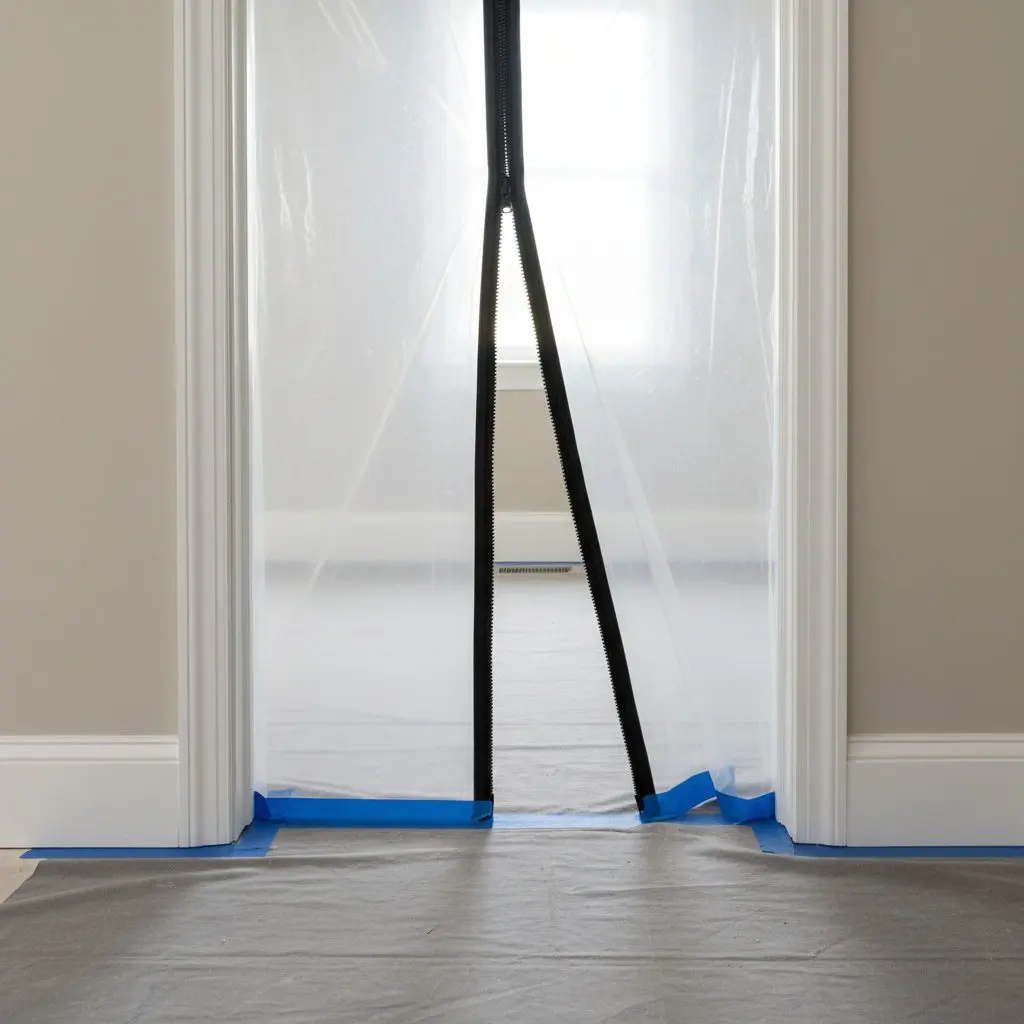
Close on a zipped plastic doorway in a house, the zip half open with a covered floor and taped edge below it and a baseboard visible beyond

Harrisburg Drywall Pros is a drywall contractor in Harrisburg running three crews, and most of the work is in houses somebody is living in while it happens. Around a hundred and ninety jobs a year, booked two to three weeks out, with water damage fitted in sooner.

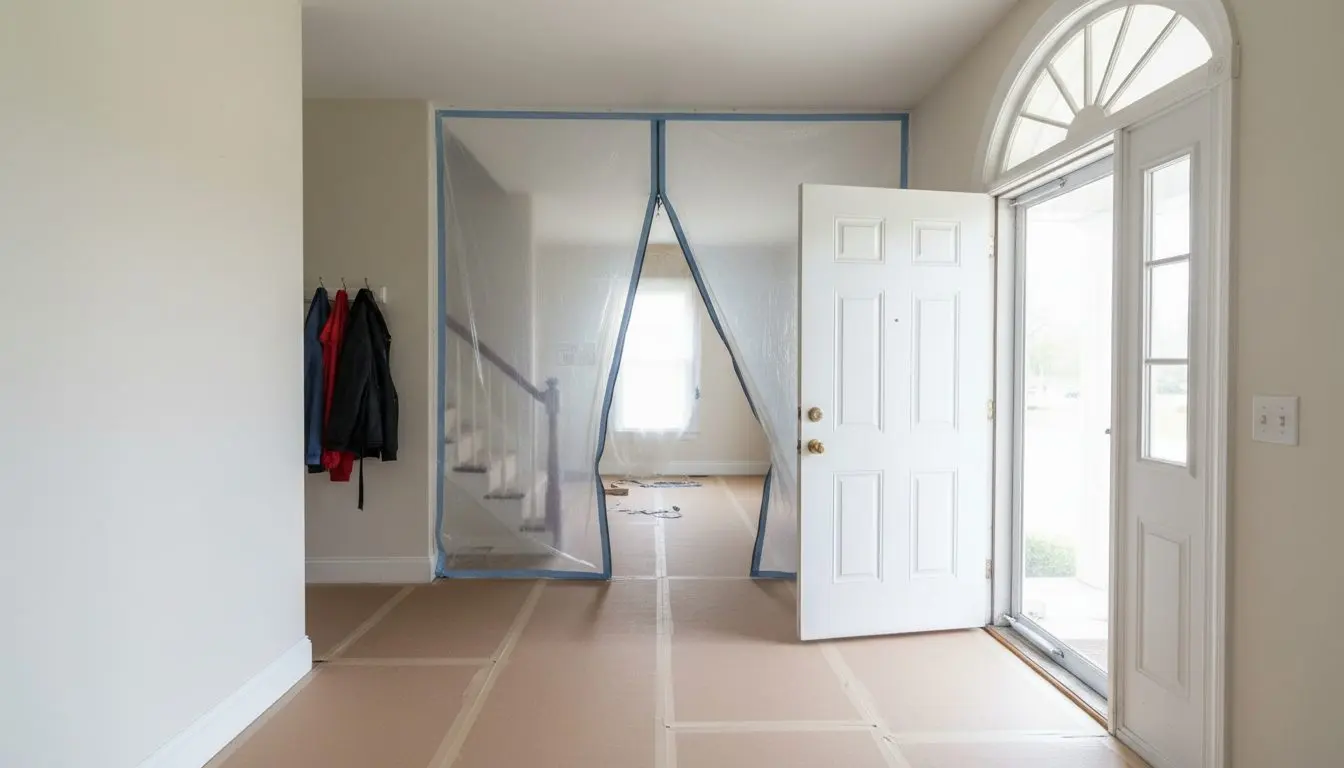
The jobs are the ordinary ones. Cracks and holes patched, ceilings taken down and rehung, basements and attics hung out, texture matched or taken off, and water damage dried and rebuilt. What changes in an occupied house is the containment. Doorways are zipped, the route in and out is covered, cutting happens outside whenever the weather allows, and sanding runs with vacuum extraction at the tool, which is what keeps the dust in the room you gave us rather than on the stairs.

What is the smallest job worth having somebody in for? One doorknob hole in a hallway is, and a family staying put through a three-floor reboard done a room at a time is the other end of it.

Ask for a free measure at (717) 555-0164 and ask what each day will actually be like. You will stop putting the job off because of the mess and start counting down to getting the room back!

What living through the work actually looks like

Living through the work is the part nobody quotes for, so here is what it is actually like.

On an empty property the fastest route is the right one, and every crew takes it. In a house with a family in it the fastest route is the wrong one, because it puts dust on the stairs and leaves a room nobody can use for a week.

A builder wants the wall closed by Friday. You want to know whether you can cook on Wednesday, whether the kids can get to bed past the landing, whether the dog can be let out, and who is in the house when you are at work.

So containment goes up before the first sheet is cut, we work one room at a time, and the room is swept, vacuumed and handed back at the end of each day rather than at the end of the job.

  • One room sealed at a time, the rest of the house shut off
  • Doorways zipped and the route in and out covered
  • Vacuum extraction at the sander instead of hand sanding
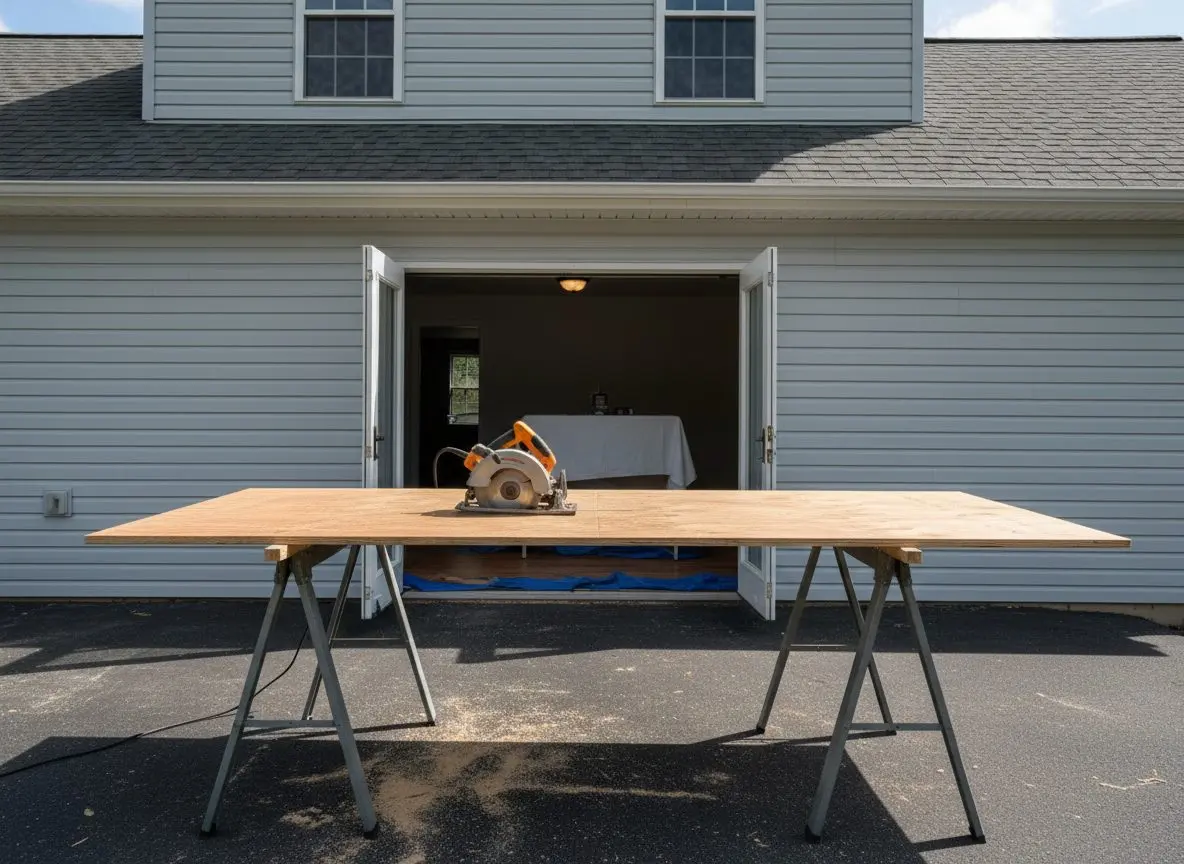
  • Cutting done outside whenever the weather allows
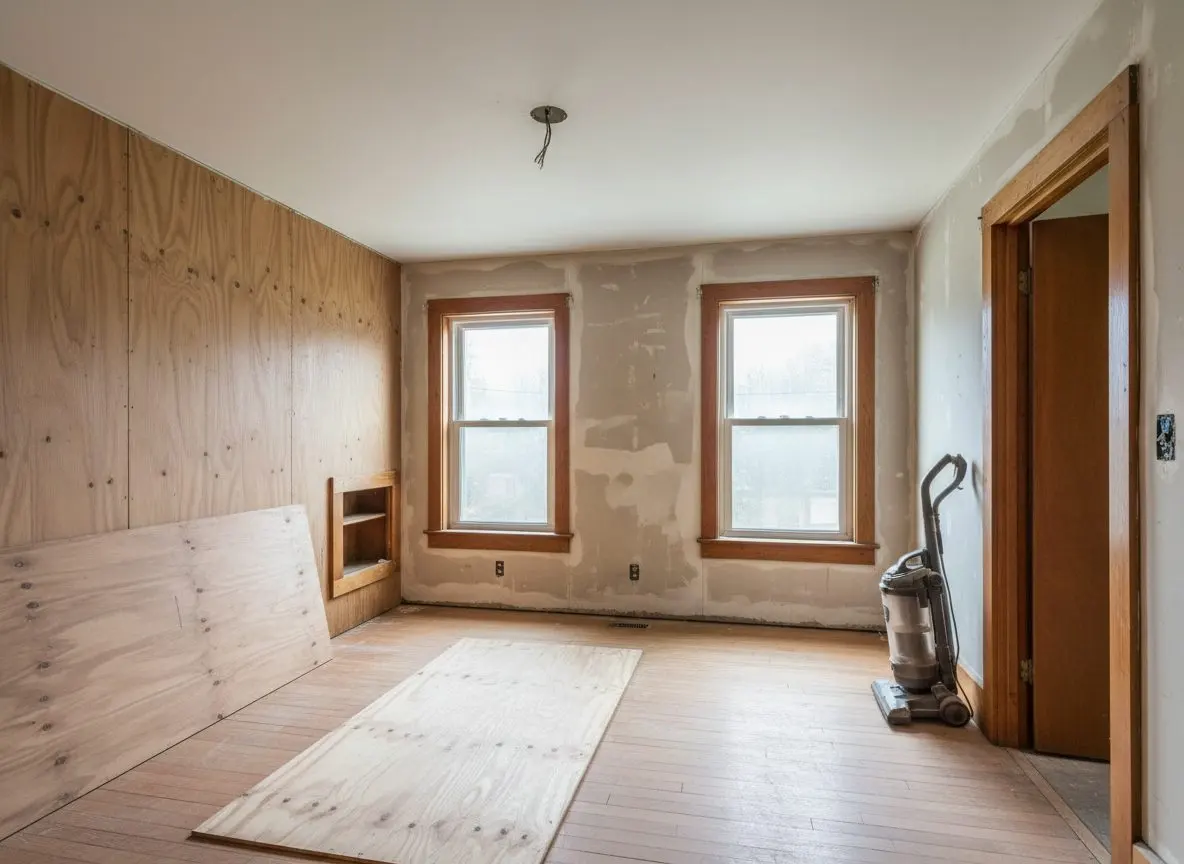
  • The room swept and vacuumed at the end of each day
  • Keys, alarm codes and pets agreed before the first morning
A sheet of board laid across sawhorses on a driveway, mid cut, with an open window and covered floor visible in the house behind it
A partly hung bedroom at the end of a working day, the floor swept clear of scrap and a vacuum standing just inside the doorway

Services

Which wall, which ceiling, and how long you lose it

Commercial Residential
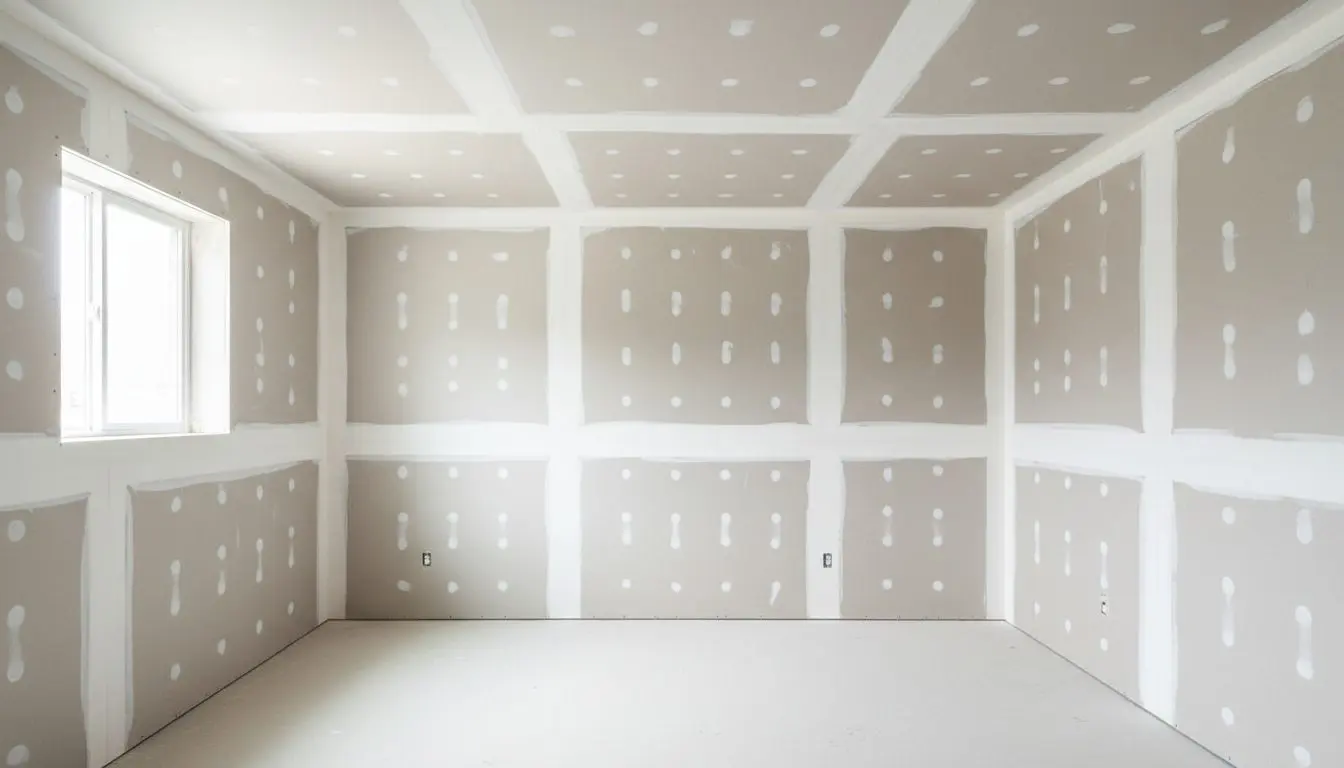
  • A basement room newly hung, sheets up on every wall and the ceiling, joints still bare and the screw lines visible in rows

    Drywall Installation

    For anyone building something new or opening a wall right back. Basements and garages turned into rooms, additions hung between the electrician and the painter, and old rowhouse rooms taken to the studs and done properly. People pick this over a patch when the wall is coming out anyway, or when they want the stud bay filled and the services made accessible while it is the cheap moment to do it.

    Learn more about Drywall Installation
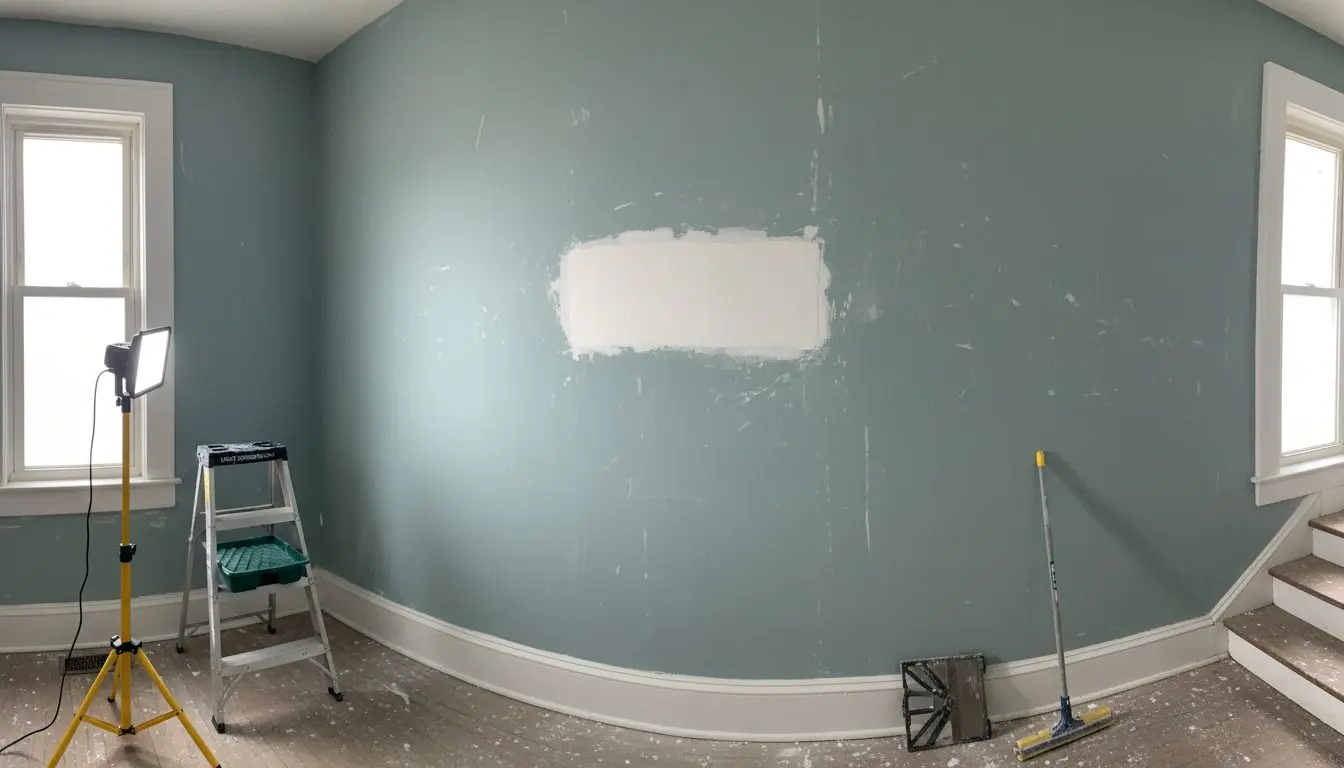
  • A repaired stair wall in an older house, the patch primed white and the rest of the wall in color

    Drywall Repair

    For anyone living with one thing they keep meaning to sort out, and for landlords turning a unit around on a date. A doorknob hole, a crack that opens every spring, a wall of nail pops, or a ceiling that has started to sound hollow. People pick this rather than a full reboard because the wall around the damage is still sound and there is no reason to lose the room for a week.

    Learn more about Drywall Repair
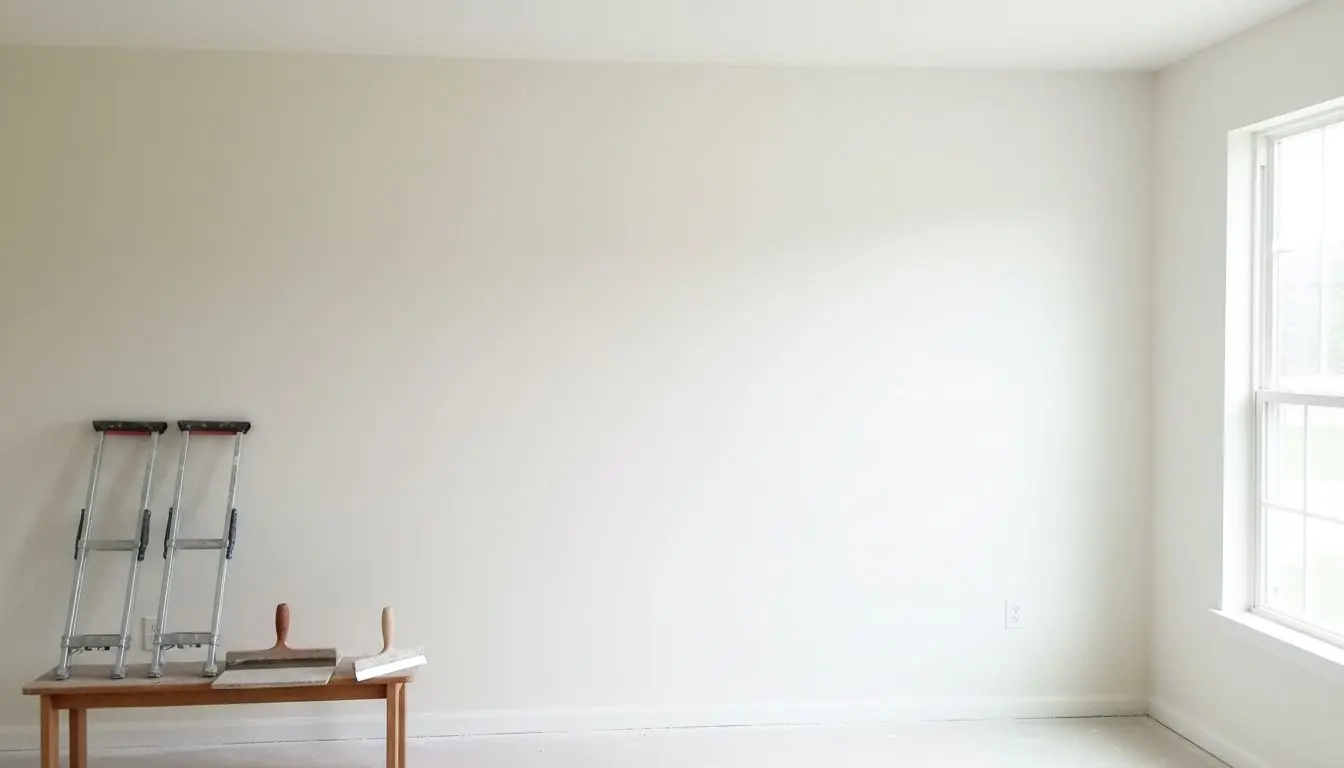
  • A large open living room wall freshly skimmed and primed, dead flat and pale, a tall window on the right filling the room with daylight

    Texture and Finishing

    For anyone who can see the wall rather than the room. Somebody repainting and tired of the knockdown, somebody whose repair is invisible until the sun comes round, or a builder who needs a whole house taped to a date. People pick this when the board itself is fine and it is the surface that is letting the room down, and when they want to see a sample before anybody commits.

    Learn more about Texture and Finishing
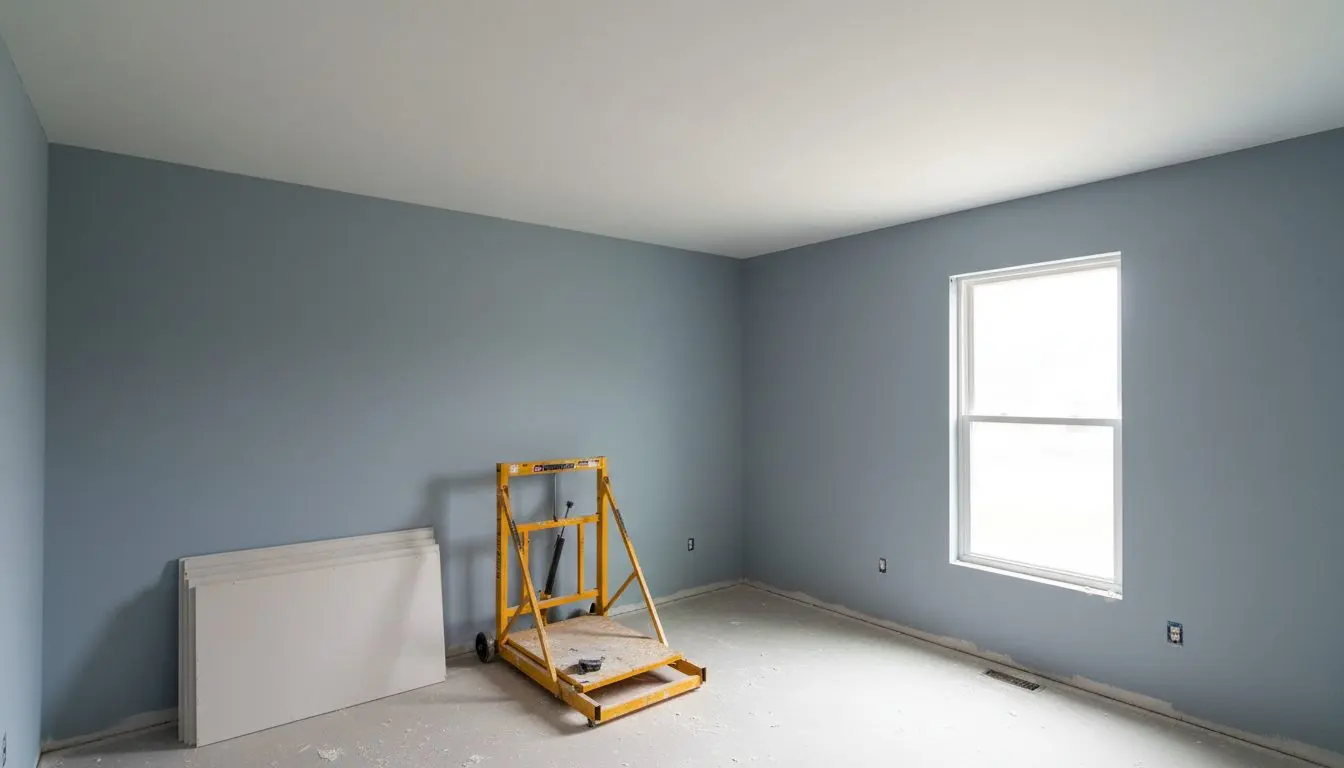
  • A bedroom with a newly finished ceiling, flat and freshly primed, the walls in color below it and a tall window on the right filling the room with daylight

    Ceilings

    For anybody whose ceiling has started to announce itself. Popcorn that dates the whole house, a lid bowing away from the lath in an old rowhouse, or an attic room to board out. People pick this when the walls are fine and the problem is above them, and when they want the texture gone rather than drywalled over and left for somebody else to find.

    Learn more about Ceilings
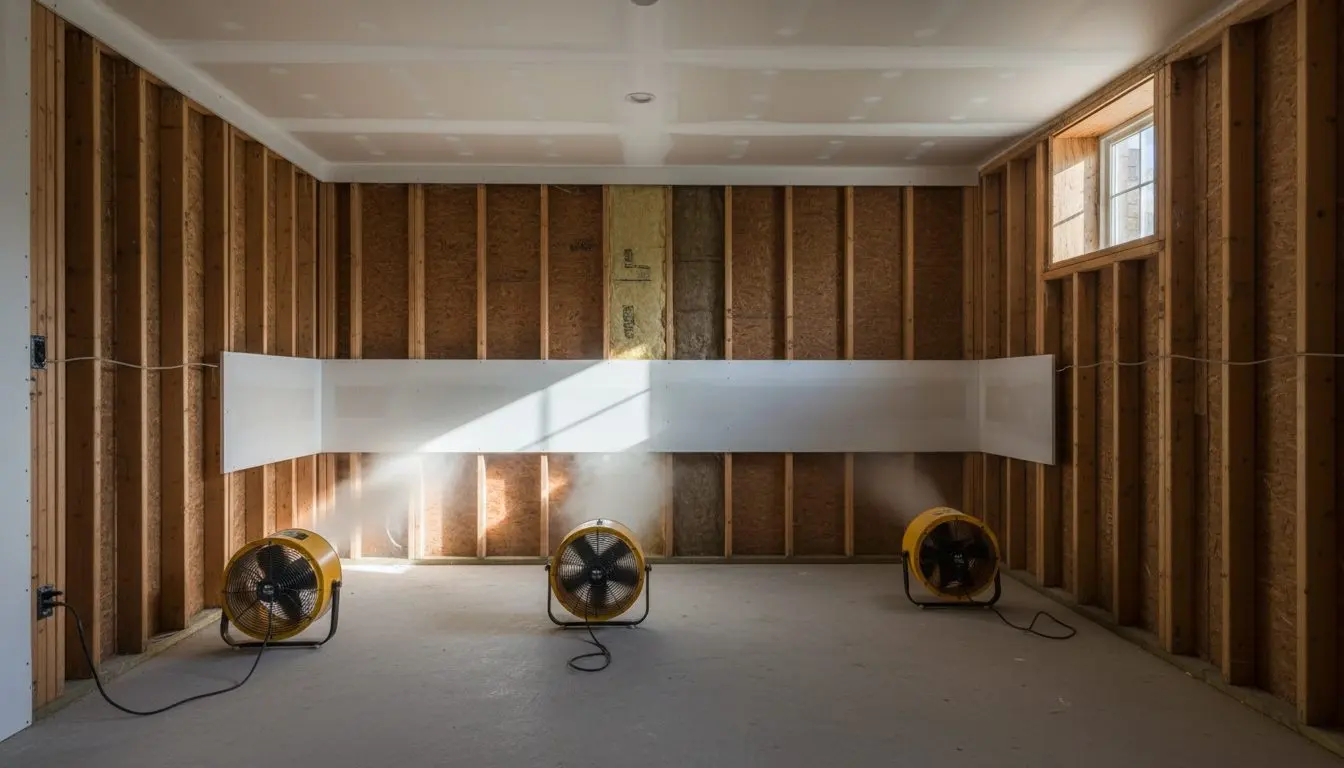
  • A basement room part way through a flood repair, board cut off in a clean line four feet up and the studs open below it, drying fans standing on the slab

    Water Damage Repair

    For anybody standing in a room that has been wet, wondering how much of it has to come out. A basement after the river, a ceiling ringed after a February thaw, or a pipe that split in January and ran when it thawed. People call this rather than a repair because the wall is still holding water, and because an insurer wants readings and photographs rather than an opinion.

    Learn more about Water Damage Repair

Six steps between your call and a finished room

Three to five days on site for a typical room, and the loud, dusty half of it is finished in the first two.

  1. You call and describe it

    Answered same day

    Tell us the room, the damage or the plan, and roughly when you want it done. We will say on the phone whether it looks like a half-day patch or a full reboard, so nobody wastes a visit.

  2. We come and measure

    Usually within three days

    Somebody walks the space, checks what is behind the wall and takes the measurements. On an older house we sound the plaster and look at the lath before putting a number on anything.

  3. The written quote

    Two working days

    It arrives by email, broken down room by room, naming the board, the finish level and the number of days. Nothing gets added to it later without you agreeing to it first.

  4. Protection and board

    One to two days

    Floors are covered, doorways are zipped shut and the board goes up. Cutting happens outside whenever the weather allows, which keeps most of the dust out of the rest of the house.

  5. Tape, coat and sand

    Two to three days

    Three coats over the joints, each left to dry properly rather than chased, then sanded back and checked with a work light held flat against the wall.

  6. Cleared and handed back

    Half a day

    We vacuum the room, take the scrap and the stripped material away, and walk it with you before the crew leaves. Anything you spot in the first week gets put right.

Call and we will book the look, usually inside the same week, so you know what the job involves before you commit to it.

Get a free quote

Why do two rooms the same size come back at different prices?

Board itself is cheap and the labor around it is not, so what actually moves a quote is access, what is already on the wall, and how flat you want the finish to end up.

Level of finish
A Level 3 wall going under heavy texture takes far less work than a Level 5 skim sitting under satin paint in a room with big windows. What the light does to the wall decides it.
What is behind the wall
Plaster on lath, old board and bare studs are three different jobs. Lath has to come out and go somewhere, and the framing behind it is rarely on centers a modern sheet fits.
Overhead work
Anything on a ceiling costs more than the same square footage on a wall. Five-eighths board is heavier, it wants two people and props, and every coat is finished looking upward.
Access and parking
A third-floor room down a narrow street, with sheets carried up a staircase that turns twice, adds hours before any work starts. Somewhere to pull the truck in saves them.
How much has to come out
A stain the size of a dinner plate can be a two-foot patch or a whole ceiling, depending how far the water tracked along the joists above it before it showed itself.
Working around you
An emptied room left to us runs fastest. Furniture to shift, a floor to protect, a shop that has to open at nine, or work confined to weekends all put days on the schedule.

Which of these apply to your job is settled on the visit rather than on the phone, and the quote names the ones we found. Get a free quote

FAQs

Frequently asked questions

Questions people ask about having us in the house

Can we carry on living here while the work is on?

Almost always, yes, and most people do. One room at a time is normal, you keep a working kitchen and bathroom throughout, and the sealed room is the only part you lose. A whole-floor reboard is easier on everybody if you are out for the two sanding days, but it is not a condition of the job.

How bad is the dust, really?

Sanding is the dusty part and it lasts a day or two per room. Doorways are zipped, floors are covered, and the sander runs with a vacuum on it, so what escapes is a fine film in the working room rather than a haze through the house. We vacuum before leaving. Anything left in that room will still need wiping.

Is the dust harmful to breathe?

Joint compound dust is an irritant rather than a poison, but nobody should be sitting in it. Our crews wear masks, the room stays sealed, and we would rather you kept children, anybody with asthma and pets out of it until it is vacuumed. Old texture is a separate question and gets tested before we scrape it.

Do I have to empty the room first?

Empty is best and it makes the job quicker and cheaper. Where something cannot be moved we push it to the middle and wrap it, which slows every visit and shows on the quote. Take curtains, pictures and anything electronic out yourself, because those are the things that hold dust and are awkward to wrap.

What time do you start and when do you leave?

On site around eight and away by four or half past, five days a week, unless we agree different hours with you first. The noisy work is at the front of the day rather than the end of it. If a start that early does not suit the house, say so at the measure and we will set the hours around you.

Will I need to be at home while you are here?

Only for the first morning and the walk round at the end. Plenty of jobs run on a key and an alarm code, and we will agree that in writing rather than by text. Somebody calls you if anything comes up that changes the plan, so nothing gets decided in your house without you knowing about it.

How noisy is it, and when is the worst of it?

The loud part is short. Taking down plaster and lath and cutting board are the noisy hours and they come at the start; the days after that are quiet work with a knife and a sander. If somebody works nights or a baby naps in the afternoon, tell us and we will put the noisy stage where it does least harm.

Will you damage my floors or the paintwork?

The floor is covered before anything else happens, board over sheeting on hard floors and taped at the edges. Corners and door casings on the route in get protected too. If something does get marked we tell you rather than leave you to find it, and we put it right before the job is called finished.

Do you need my water, power and bathroom?

Power from an ordinary outlet and water for a bucket and clean-up, yes. Crews use their own bathroom breaks off site where the job is short, and will ask rather than assume otherwise. Parking is the one to sort out in advance on the older streets, because carrying sheets an extra block is time somebody pays for.

How many days do I lose the room for?

A patch is two short visits over two or three days, because compound has to dry between coats. A single room hung and finished is four to five days, and a ceiling adds one. You get the room back at the end of that, primed and ready for paint, not sitting under tools for another week.

What about the dog and the kids?

Tell us at the measure and we will plan for it. Zipped doorways keep an inquisitive dog out of the working room, tools and buckets go up or away whenever the crew leaves the room, and we will keep the route from the front door clear. A garden gate that has to stay shut is worth mentioning on the first morning.

Can you stop halfway if we go away or something changes?

Yes, and it happens more than you would think. We finish the stage we are on so nothing is left open or unsealed, tidy the room and agree a date to come back. Breaks cost a little time in setting up twice, and we would far rather do that than leave a family living around bare board for two weeks.

Harrisburg Drywall Pros

Flood and burst-pipe damage moves ahead of the ordinary line, no matter what else is booked.

Harrisburg Drywall Pros hangs, tapes, finishes and repairs board across Harrisburg and the river towns nearby, in rowhouses with plaster on lath as often as new construction. Three crews finish around a hundred and ninety jobs a year, and flood or burst-pipe damage is fitted in ahead of the ordinary line. Trading here since 2012.

Why the river towns call Harrisburg Drywall Pros first

  • Fourteen years working the river towns, trading since 2012
  • We sound the plaster and check the lath before putting a number on anything
  • Flood and burst-pipe damage moves ahead of the ordinary line
  • Freeze-thaw cracks are taped and bedded, not just filled over
  • Nothing is added to the quote later without you agreeing to it first

If the river has left a stain on a lower wall, an old ceiling needs opening up, or a room needs drywall from scratch, call (717) 555-0164 and somebody will come and look at it. The written quote follows the visit, broken down room by room, and nothing gets added to it later without you agreeing first.

(717) 555-0164

Give us a call

922 N 3rd St, Harrisburg, PA, 17102

Where to find us

Book a look

(717) 555-0164 Get a free quote